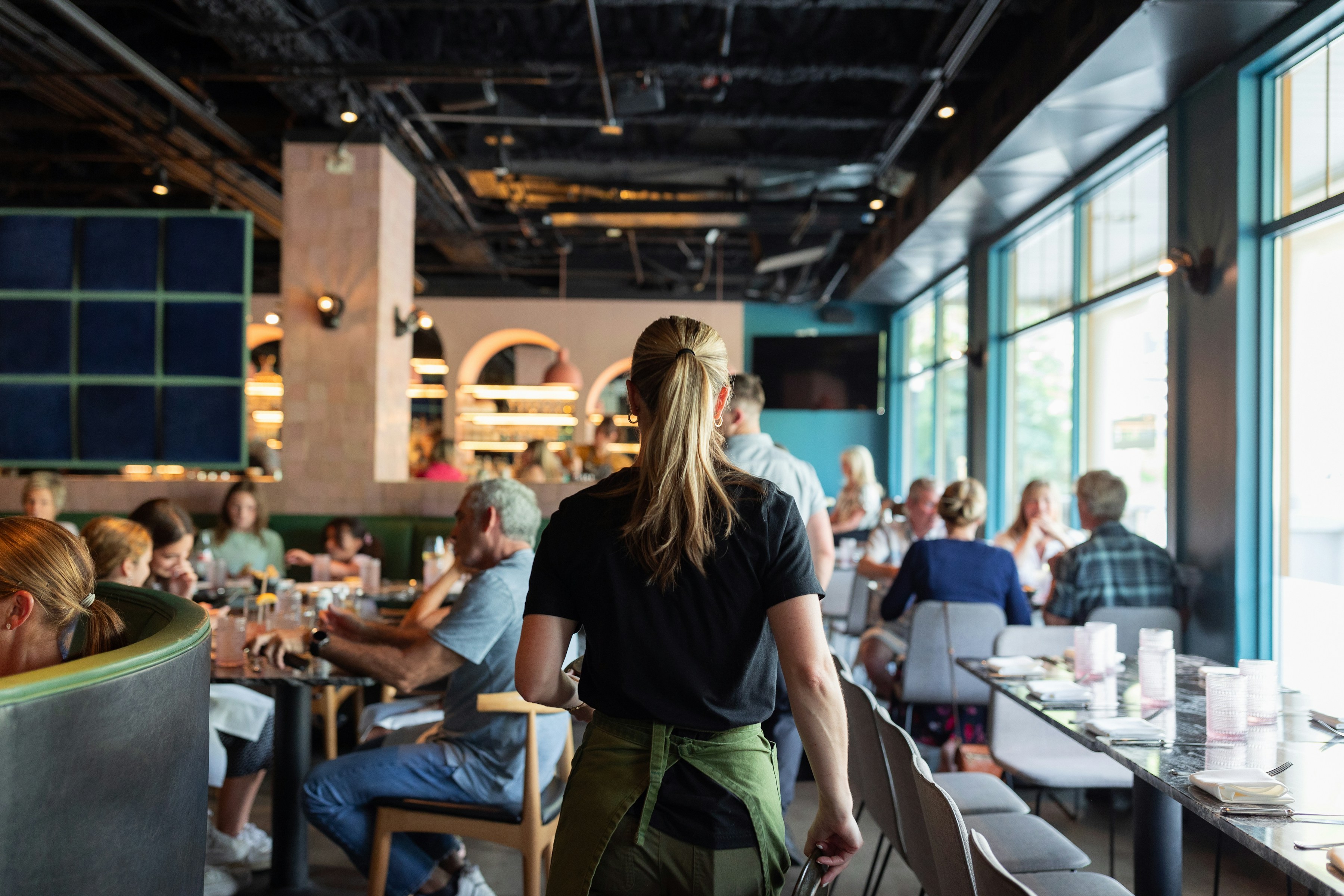
Your food is good. Your staff is ready. So why is Tuesday night quiet enough to hear the ice machine talking to itself?
To get more customers into your restaurant, help local people find you, give them a reason to visit, make planning easy, and give them something worth coming back for. Here’s where to start.
1. Find Out Where You’re Losing Guests
Before you spend another dollar, figure out where things are breaking down.
Do people nearby know you exist? Are they looking at your menu but choosing somewhere else? Or are they visiting once and never returning?
Each problem needs a different fix. More ads won’t solve a poor dining experience. A loyalty program won’t help people who haven’t heard of you.
Get specific about the gap. “We need more customers” is hard to act on. “We want 20 more dinner guests on Tuesdays” gives you something to work toward.
2. Make Your Restaurant Easy to Find Locally
In BrightLocal’s 2025 survey of 1,000 U.S. adults, 85% said contact details and opening hours mattered when researching local businesses. Those basic details can help someone decide whether to plan a visit.
Start with your Google Business Profile. Check your hours, phone number, address, menu, and reservation links. Include holiday hours so guests don’t arrive to find a locked door.
Add current photos of your food, dining room, patio, and team. Help someone picture what it would feel like to spend an evening with you.
Ask guests for honest reviews and respond with care. Google says complete business information and customer reviews can help local search visibility.
Your website should also clearly state your town, neighborhood, and nearby landmarks when useful. Help people understand where you are and what you offer without making them play detective.
3. Give People a Reason to Choose You
“Great food and great service” is a starting point. Almost every restaurant says it.
What makes your place right for someone’s plans?
Maybe parents can enjoy dinner while the kids have options they’ll actually eat. Maybe your patio makes a regular Thursday feel like a small vacation.
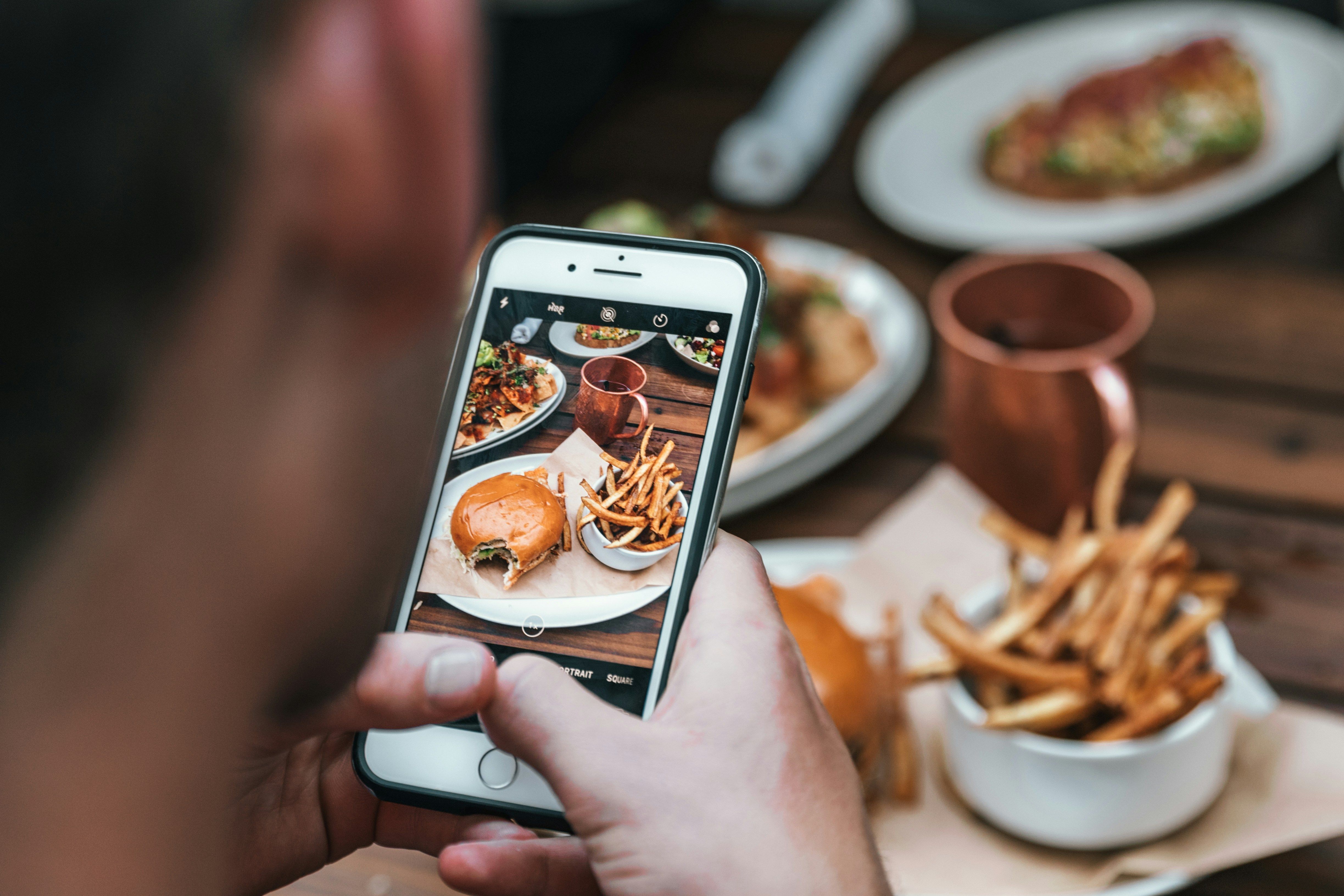
Show that experience in your content. Capture the welcome at the door, friends laughing over dinner, or the chef explaining a seasonal dish.
That’s what I mean when I say, “Stop selling dishes. Start selling moments.”
Then give people a clear invitation. Book a table. Come for brunch. Check out the new menu.
A seasonal feature or special event can create urgency without another discount. Once the message and booking process are ready, test a small local ad campaign with a clear spending limit.
4. Make the Next Step Easy
Now pull up your website on your phone. Pretend you’ve never been to your restaurant.
Can you quickly find the menu, prices, hours, and address? Can you reserve a table or place an order?
If someone needs six clicks and a minor in computer science to book dinner, you’ve got work to do.
Link each promotion to the right page. A brunch post should lead to brunch details or booking. Explain parking when it’s confusing. If seating is first come, first served, say so.
Make it easy for someone to turn “that looks good” into actual dinner plans.
5. Build Relationships Around the Neighborhood
Look at who already serves the people you want to reach.
A nearby office might need a reliable lunch option. A hotel might need dinner suggestions for guests. A theater could be a good partner for dinner before a show.
Reach out with an idea that helps both businesses.
Apply the same thinking to local creators. Look at where their followers live and whether they’re likely to enjoy your restaurant. A huge follower count doesn’t mean much if nobody watching can realistically come for dinner.
6. Give New Guests a Reason to Return
Once guests arrive, your team has to deliver on the promise.
The meal, the welcome, and how you handle a mistake all shape whether someone comes back. Make sure the experience matches what your marketing promised.
Invite guests to join your email, text, or loyalty program with their permission. Explain what they’ll get and make signing up easy.
Then send messages that deserve their attention. Share a new fall dish, an upcoming tasting, or a reason to celebrate with you.
You don’t need a coupon in every message. Give regulars something to look forward to, and make loyalty benefits simple enough that your staff can explain them at the table.
7. Track Visits and Sales
I say this a lot: clicks don’t pay your bills. Covers do.
Track whether your marketing helps fill the service period you chose. Compare guest counts, completed orders, and sales with your starting point.
Use your reservation system and point of sale reports. Use links you can track in your emails and ads, and ask new guests how they heard about you.
You won’t trace every visit to one post or email. Look for patterns over time. Check costs too. A busy dining room needs to produce enough profit to make the effort worthwhile.
8. Actionable Tips for Your First 30 Days
You don’t need to tackle everything by Friday. Pick one priority and follow this plan:
- Week 1: Choose a slow service period. Record current covers and sales, then set a realistic goal.
- Week 2: Update your Google profile and website. Test every booking link on your phone.
- Week 3: Promote one clear reason to visit on social media. Share it with customers who signed up for your messages and through one local partner.
- Week 4: Review the results with your team. Ask what guests mentioned, what worked, and what needs to change.
Assign someone to each task so the plan survives a busy shift. Use the same clear invitation across the campaign. Treat the month as a starting test, and give slower efforts, like local search, more time.
By the end of the month, you’ll have a clearer picture of what’s working and what still needs attention. Use that information to decide where your next marketing dollar should go.
Put a Plan Behind Your Next Busy Night
Your next busy night starts with helping people find you, showing them why they should visit, and delivering an experience worth repeating. Pick one weak spot and start there.
If you’re ready to put a clear plan behind your restaurant marketing, schedule your Brand To Table discovery call.
CLICK HERE TO SCHEDULE A CALL
We’ll talk through your goals, identify what may be keeping guests away, and discuss where to focus your time and budget.
You’ve put too much into your restaurant to keep guessing about how to grow it. Let’s figure out your next move.

See Related Blog Posts
Insights, Ideas, and Marketing Inspiration for your restaurant.