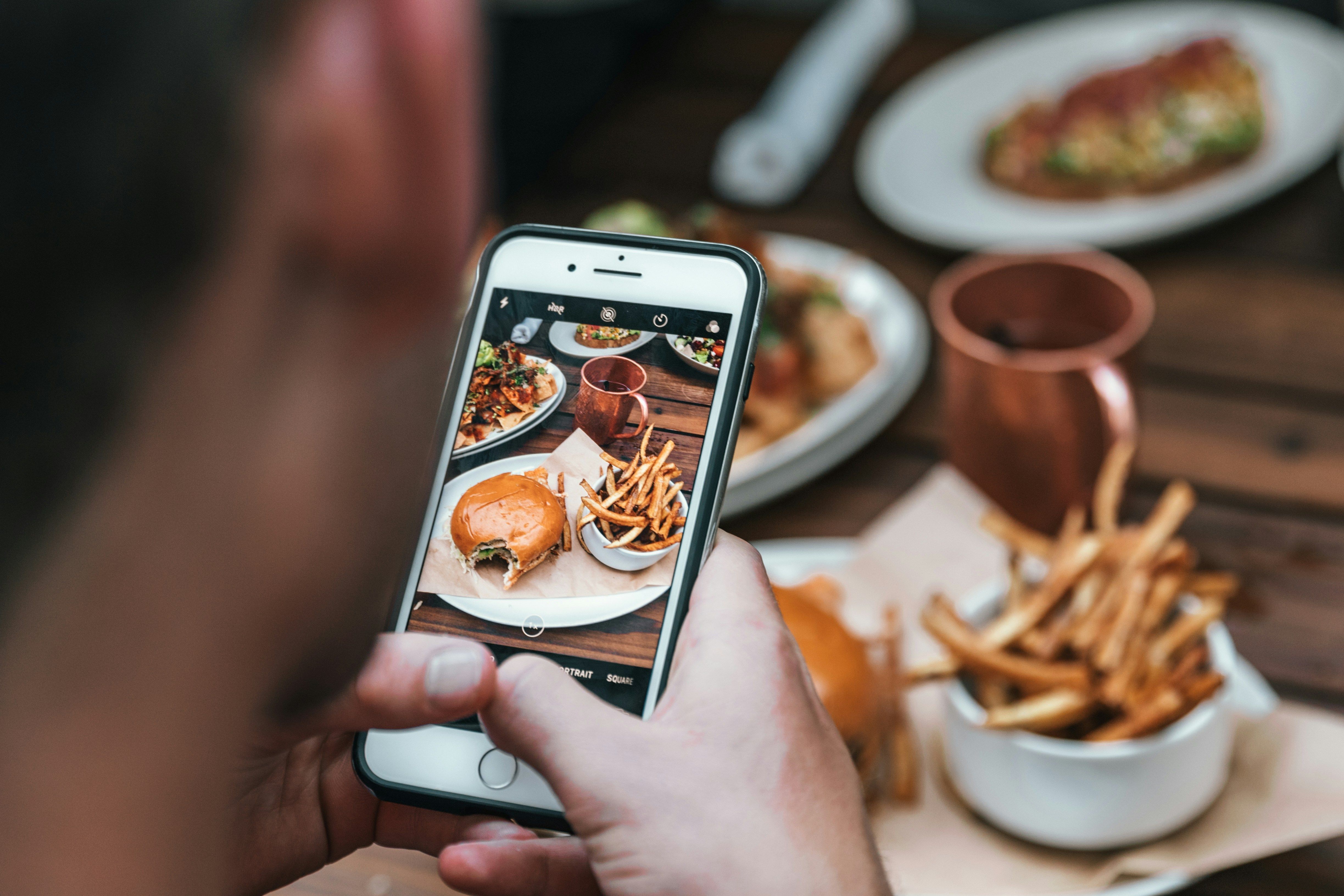
You posted the burger. You posted the cocktail. What makes someone want to watch your next post?
Give them a series they can recognize. One clear idea, a familiar format, and a reason to come back.
I've worked in restaurant marketing since 2008, and I always start with the same question: What should this content help your restaurant achieve?
There's a real opportunity here. Toast reports that TikTok is Gen Z's leading restaurant discovery channel, at 38%. Your next guest could be looking for dinner while scrolling. Let's give them something useful to find.
Give Your Series a Clear Promise
A good series helps guests make a decision.
Think about a weekly format called “Your Friday Table.” Every episode introduces one dish and shows how it fits into a night out.
One week, it's an appetizer to share. The next, it's a pasta dish worth making plans around.
Keep the name, host, and basic format consistent. Change the food and the story so each episode feels familiar but offers something new. Each episode should also make sense to someone who's never seen your restaurant before.
Start With the Visit You Want to Earn
Before picking up your phone, decide which visits you want this series to bring in.
Do you need more weekday lunches? More couples booking dinner? More families coming in on Sundays?
Choose one goal to start. It'll make your content decisions much easier.
Toast found that 43% of surveyed diners named location and convenience as factors in choosing to visit a new restaurant. Help guests see how your place fits into their plans, whether that's a quick lunch nearby or a Friday dinner out.
For “Your Friday Table,” let's say the goal is more date night reservations. Choose dishes that fit that experience, earn a healthy profit, and work well for your kitchen.
Then map out four episodes. Check availability with the chef before filming.
You don't want your strongest video promoting a dish the kitchen took off the menu yesterday. That's an awkward conversation nobody needs.
Say the Dish, Neighborhood, and Occasion Out Loud
Here's the habit I want you to build: Name the dish, say where you are, and give people an occasion to visit.
For example: “Planning date night in Newark's Ironbound? Here's the grilled octopus we'd start with.”
That sentence gives viewers three useful details:
- The dish: Grilled octopus.
- The location: Newark's Ironbound.
- The occasion: Date night.
Use your town's name if your area doesn't have a clear neighborhood name. Be accurate and specific.
TikTok says its search results consider how closely content matches what someone searches for. My advice is simple: Make your subject clear when you speak, in the text on screen, and in your caption.
“Look at this beauty” leaves a lot for guests to figure out. Tell them what they're looking at.
Give Each Episode a Simple Structure
Aim for roughly 20 to 40 seconds to start. Focus on one useful story.
Open with the food on screen. Introduce the dish, location, and occasion right away.
Then share one detail that makes the dish worth ordering. Show the crust, explain the sauce, or let the chef describe how it's cooked.
Help viewers picture the experience: “Order this to share while you settle in with your first drink.”
Finally, give viewers one next step, such as reserving a table through your profile link.
Keep the action clear. Asking people to follow, comment, share, tag three friends, and book dinner is a lot of homework for someone who's hungry.
Small Changes That Make Your Next Video Better
You can make a useful episode with a phone, good light, and a little planning.
Before you hit record, keep these tips in mind:
- Show the payoff first. Start with the finished plate or an appealing cooking moment.
- Check the sound. Move away from the dishwasher before recording someone speaking.
- Fix the subtitles. Review dish names, locations, and anything the automatic captions missed.
- Keep text readable. Leave room for the platform's buttons and captions.
- Use real questions. Ask servers what guests always want to know.
- Check the link. Send guests straight to the menu, booking page, or ordering page you mentioned.
Before publishing, ask: Would a new guest know what this is, where to get it, and why they'd visit?
Build a Schedule Your Team Can Keep
Start with one episode a week for four to six weeks.
Film several episodes during one planned session, when the kitchen has time to help. Get the dishes, talking points, and people ready in advance.
Put one person in charge of keeping the series on track. Someone needs to choose the dishes, get approval, publish the videos, and answer comments.
“We'll get to it” isn't a schedule. Your GM already has enough on their plate.
Use guest questions to plan future episodes. Adapt the series for Instagram and Facebook if your guests spend time there, too.
Keep the process simple enough to follow during a busy week. Then check whether that effort is helping bring guests through the door.
Measure What Happens After the View
Views can help you spot interest. Then look at what people do next.
Are they saving the episode? Asking where you're located? Opening the menu? Booking a table?
Use a tracking link to see how many people visit your website from the series. Check completed bookings or orders when your systems allow it. Ask guests how they heard about you.
After the first four to six weeks, review which dishes and occasions led to inquiries, bookings, or orders. Improve the opening, pacing, or booking step based on what you learn.
A smaller audience nearby can be worth more to your restaurant than thousands of viewers who'll never visit.
Clicks don't pay your bills. Covers do.
You can improve each episode as you learn what works. Start by giving your team a clear plan for the first four.
Put Your First Four Episodes on the Calendar
Choose one useful promise. Keep the format familiar. Say the dish, neighborhood, and occasion clearly, then make the next step easy.
This week, name your series, pick four dishes, put someone in charge, and schedule the filming.
Ready to give your restaurant's social media a clear direction? Visit Brand To Table and book your strategy call. Let's build a content plan around the guests you want to reach and the tables you want to fill.
Give guests something to follow and a reason to walk through your door.

See Related Blog Posts
Insights, Ideas, and Marketing Inspiration for your restaurant.