Hiring a company to shoot videos for your restaurant can be a smart investment.
It can also become an expensive way to collect random clips that never get posted.
The difference usually comes down to preparation.
When your goals, team, dishes, and content ideas are ready, one shoot can produce weeks of useful marketing content. When nothing is planned, you can spend half the shoot deciding what to film.
Here is how to get more value from your next restaurant video shoot.
Start With the Business Goal
Before you create a shot list, decide what you need the content to accomplish.
“We need videos of our food” is not a business goal.
Do you want to increase lunch traffic? Fill seats on Tuesday nights? Promote a new brunch menu? Generate more catering orders? Attract private event inquiries?
Those are real goals.
Your video ideas should support them.
For example, suppose you want more private event inquiries. Do not spend the entire shoot filming burgers and cocktails. Show the event space. Film the tables being set. Capture a manager explaining the types of celebrations you can host. Show people enjoying the space.
When you know the goal, it becomes easier to decide what to film, who should appear, and what viewers should do next.
Great footage is important.
Content that supports the business is even better.
Build the Content Plan Before Shoot Day
The shoot should not begin when the camera crew walks through the door.
Planning should happen several days before they arrive.
Wyzowl’s 2026 research found that 91 percent of businesses use video as a marketing tool. It also found that 93 percent of marketers consider video an important part of their strategy.
The key word is strategy.
Ask your marketing or production company to create a content plan, creative brief, or shot list. You should know which dishes, drinks, people, promotions, and areas of the restaurant will be featured.
Your plan may include:
- Food preparation
- Signature dishes
- Cocktail demonstrations
- Chef interviews
- Owner stories
- Staff personality
- Weekly specials
- Private events
- Behind the scenes moments
You also want a healthy mix of promotional, educational, entertaining, and brand focused content.
Not every video should say, “Come buy this.”
Some videos can explain how a dish is made. Others can introduce the chef, share the restaurant’s story, or show what the guest experience feels like.
When every video has a clear purpose, shoot day becomes easier to manage.
Choose the Right Dishes, Drinks, and Offers
Do not select every item based only on what the owner likes to eat.
Choose what makes the most sense for the business.
Feature best sellers, high profit items, signature dishes, new menu items, and dishes that customers may not know about yet.
You should also think about what will look good on camera.
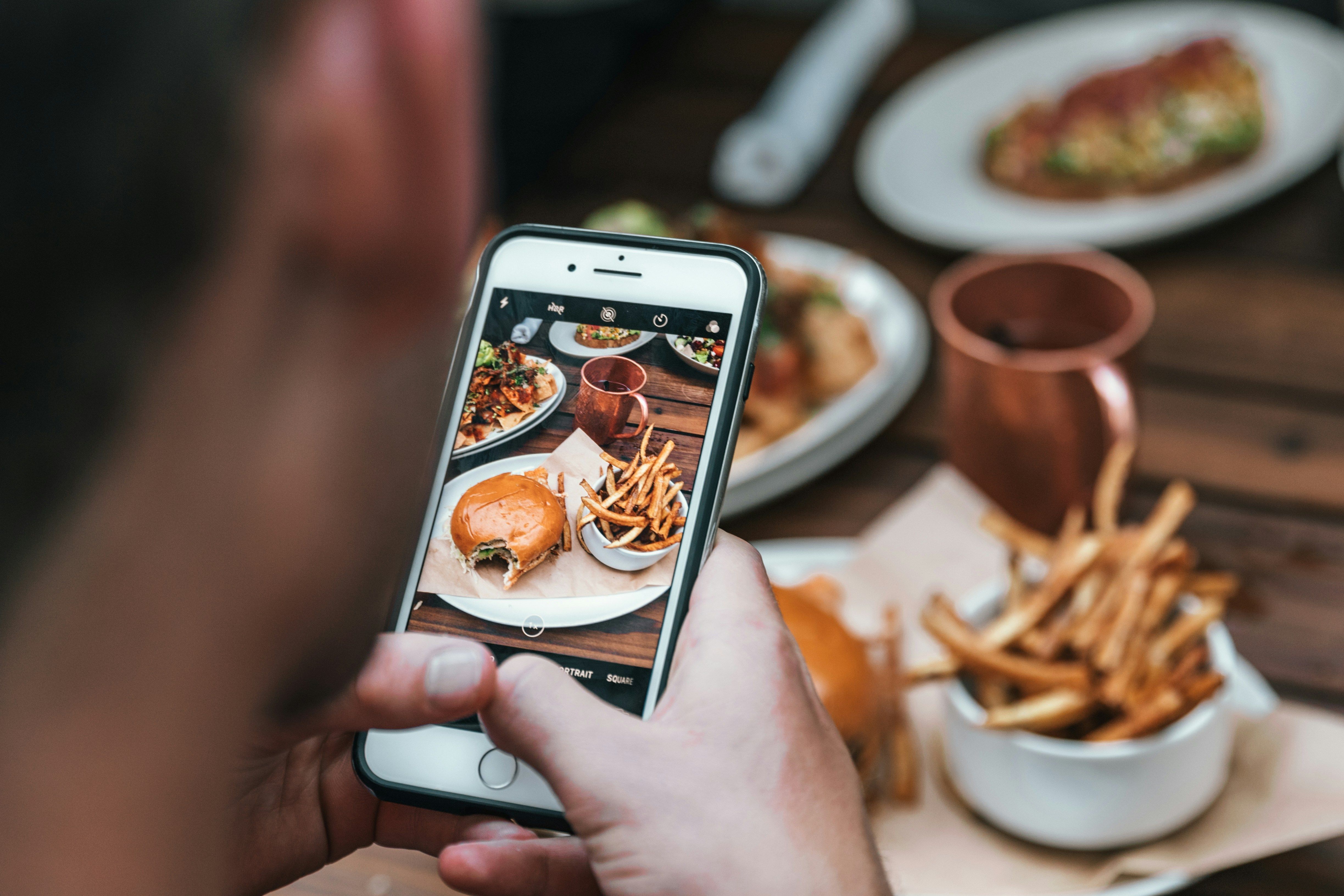
Cheese pulls, sauce pours, steam, sizzling pans, cocktail shakes, garnishes, and slicing into a finished dish all create movement.
A plate sitting on a table may taste amazing, but it may not give the camera much to work with.
Talk with the chef before the shoot. Decide how each item will be prepared and presented. Have extra ingredients ready in case something needs to be filmed again.
Food does not stay camera ready forever. Fries get cold. Cheese hardens. Drinks lose their foam.
The more prepared the kitchen is, the more content you can capture.
Prepare the Restaurant and Your Team
Treat the video shoot like an important event.
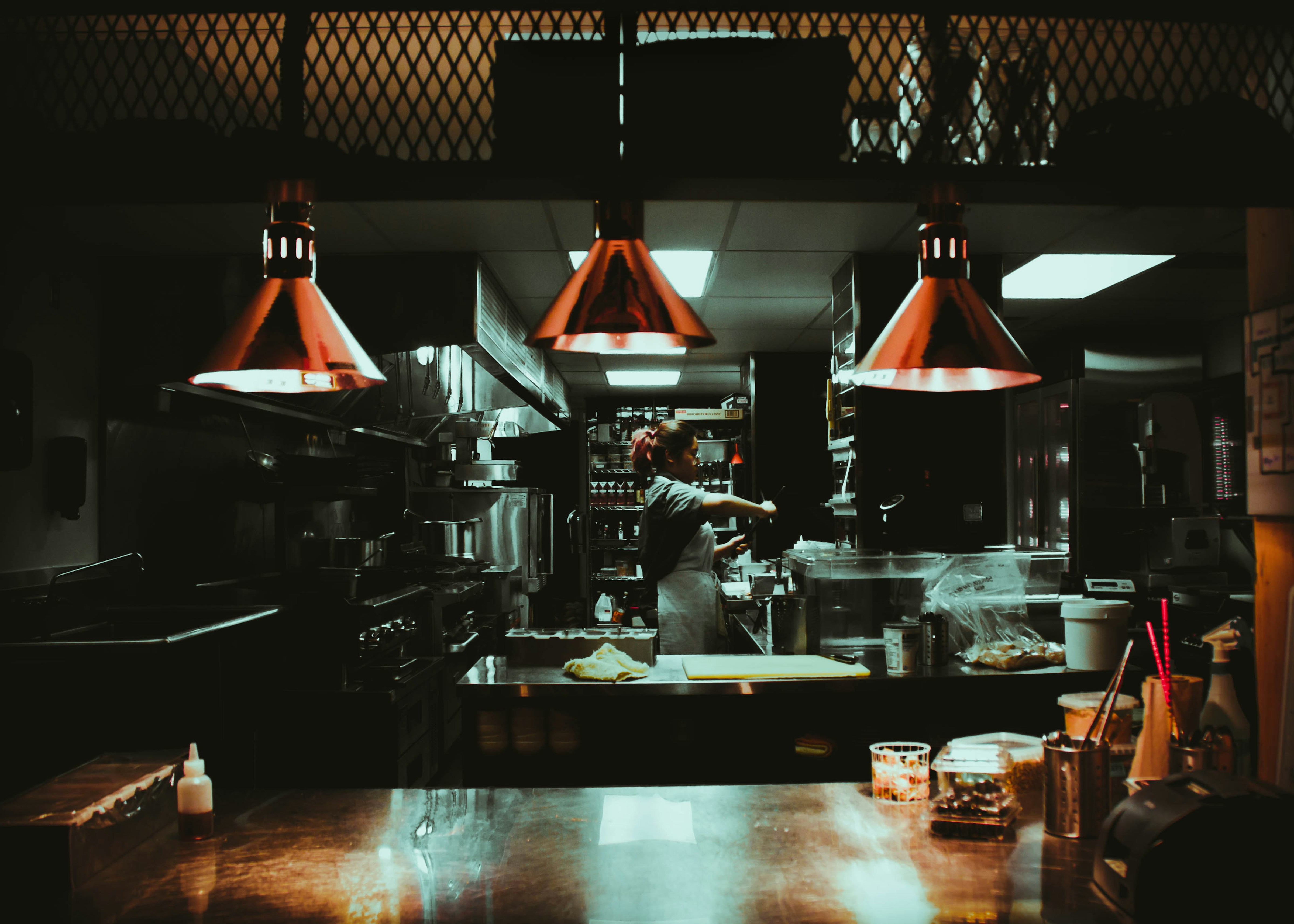
The restaurant should be clean, organized, and ready to be seen from every angle.
Check the dining room, bar, kitchen stations, entrance, windows, tables, menus, and signs.
Remove boxes, cleaning supplies, paperwork, personal belongings, damaged menus, and anything else that could become a distraction.
Small details become very noticeable on camera.
Your team also needs to know what is happening.
Tell the chef, bartender, manager, servers, and hosts when the shoot is scheduled. Let them know whether they may appear on camera. Make sure uniforms are clean and everyone looks presentable.
Nothing slows down a shoot like hearing, “Nobody told me I had to be on camera.”
Good preparation saves time, and time is part of what you are paying for.
Put Real People on Camera
Food content is important, but food alone does not create a memorable restaurant brand.
People connect with people.
Let customers meet the chef. Introduce the bartender. Put the owner on camera. Feature the manager who greets regulars every week.
You do not need long, memorized scripts. Those usually make people sound stiff and uncomfortable.
Use short questions and natural prompts.
Ask the chef why a dish is special. Ask the bartender what inspired a cocktail. Ask the owner why they opened the restaurant. Ask the event manager what makes the space great for celebrations.
Keep each answer focused on one idea.
It is much easier to create several strong videos from short answers than one long interview that tries to cover everything.
You should also record several opening hooks and calls to action. A different opening line can completely change how a video performs.
Capture the Full Restaurant Experience
Your customers are not only buying food.
They are buying a night out, a date, a celebration, a family dinner, or time with friends.
Your videos should show that experience.
Capture guests walking in, servers greeting tables, bartenders preparing drinks, friends sharing food, and families celebrating.
You can invite loyal customers, friends, team members, or local creators to take part in the shoot. Just make sure the people on camera represent the audience you want to attract.
Trying to increase date night traffic? Show a couple enjoying the experience.
Want more family business? Show a family sharing a meal together.
Promoting private events? Show a group celebrating in the space.
The scenes should feel natural. The goal is to help people picture themselves visiting your restaurant.
Build a Reusable Content Library
Do not only think about the final edited videos.
Ask the crew to capture extra footage that can be used again later.
This may include the restaurant exterior, dining room, kitchen, ingredients, signs, servers carrying food, bartenders pouring drinks, and guests raising glasses.
Capture wide shots, medium shots, and close ups.
When possible, film both vertical and horizontal footage. Vertical footage works well for Instagram Reels, TikTok, and YouTube Shorts. Horizontal footage may be useful for your website, YouTube channel, or digital screens.
Professional photos can also be captured during the same session.
One strong clip may be used in a Reel, an Instagram Story, an advertisement, an email, or a future promotion.
That is how one shoot becomes weeks of content instead of only a few posts.
Protect the Shoot From Distractions
Assign one person to make decisions during the shoot.
That may be the owner, general manager, or marketing lead.
Do not have five people giving the production team different directions. It wastes time and creates confusion.
Make sure key team members are available when needed. Do not schedule the chef’s interview while they are preparing twenty lunch orders.
Your schedule should include time for food preparation, table resets, location changes, audio setup, and additional takes.
The crew should not spend half the shoot waiting for ingredients, searching for a bartender, or asking which dish comes next.
A smooth shoot creates more usable footage.
Simple Ways to Get More From Every Shoot
A few small steps can make a major difference.
Create a checklist several days before filming. Prepare the menus, uniforms, ingredients, glassware, props, and table settings in advance.
Group similar shots together so the crew does not need to keep moving lights and equipment.
Record several versions of each video hook. Film short answers that can stand on their own. Ask for clean footage without text or graphics so it can be reused later.
Capture a few general calls to action, such as:
- Reserve your table
- Order online
- Join us this weekend
- Send us a message
- Ask about private events
Keep a running list of content ideas between shoots so you are not starting from zero every time.
Capturing more content is only half the job. Once the cameras are packed up, you need a clear plan for putting that content to work.
Have a Plan for Using the Content
Content has no business value when it sits untouched in a folder.
Before the videos are delivered, decide where and how they will be used.
Create a simple posting schedule. Match each video with a platform, caption, offer, and call to action.
One finished video may become a full Reel, a short teaser, an Instagram Story, a paid advertisement, an email feature, or a still image.
More importantly, measure the results that matter.
Views and likes can show whether people are paying attention, but they do not tell the full story.
Look at reservations, online orders, website visits, direct messages, offer redemptions, and private event inquiries.
The goal is not only to get attention.
The goal is to turn that attention into action.
Preparation Creates the Return
A successful restaurant video shoot is not only about cameras, lighting, and editing.
It starts with strategy.
Set a clear business goal. Plan the content before shoot day. Prepare the restaurant, team, dishes, and drinks. Put real people on camera. Capture the full guest experience. Build a reusable content library and have a plan for publishing it.
Do those things, and one shoot can produce weeks of valuable marketing content.
Skip them, and you may end up paying for footage that looks good but does very little for your business.
At Brand To Table, we do more than arrive with cameras. We help restaurant owners develop the concepts, prepare their teams, capture the right moments, and turn each shoot into content that supports real marketing goals.
Ready to make your next restaurant video shoot work harder for your business?
Schedule a restaurant video strategy call with Brand To Table. We will help you turn one organized shoot into weeks of content designed to build awareness, drive reservations, promote your most important offers, and grow revenue.
Do not settle for random clips.
Let’s create content with a purpose.
Need Help? Click Here To Book a Call To Learn More!

See Related Blog Posts
Insights, Ideas, and Marketing Inspiration for your restaurant.
.avif)